Within Anecdotes
What Remote Viewing Stories Leave Out
A dramatic hit is hard to judge unless the failed, vague, unusable, and uncheckable sessions are counted too.
On this page
- Why the denominator matters
- How misses disappear from retellings
- What complete session files reveal
Page outline Jump by section
Introduction
A dramatic remote-viewing story can sound compelling because it usually presents a single apparent success without showing everything that came before or after it. The crucial question is not whether an individual session contains a striking detail, but how that detail compares with the full set of attempts. If dozens or hundreds of sessions were conducted, including vague descriptions, outright misses, unusable transcripts and targets that could never be verified, then one memorable “hit” may represent a very different level of performance than the anecdote suggests. This is why evidence reviews place such importance on complete records rather than selected examples. Across evaluations of the U.S. government’s Stargate programme, reviewers repeatedly distinguished between isolated impressive cases and the overall reliability of the method when all available material was considered.[CIA]cia.govAN EVALUATION OF REMOTE VIEWING: RESEARCH…A remote viewer is asked to visualize a place, location, or object being viewed by a "bea…
Why the denominator matters
When evaluating any claimed method, the denominator is the total number of opportunities the method had to succeed. A report describing three impressive sessions means little unless readers also know:
- How many total sessions were conducted.
- How many produced no useful information.
- How many contained only vague or contradictory statements.
- How many could never be checked.
- How success was defined before the target became known.
Without that denominator, readers cannot estimate reliability. A technique that appears successful in 5 out of 100 attempts tells a very different story from one that succeeds in 5 out of 6.
This distinction matters particularly in remote viewing because session transcripts are typically long and contain many impressions, sketches and descriptive fragments. When evaluators know the correct target afterwards, it becomes easier to identify statements that appear accurate while overlooking the much larger body of incorrect or irrelevant material. Intelligence evaluators reviewing the Stargate programme concluded that this reduced the practical usefulness of many reports, even where isolated correspondences appeared interesting.[CIA]cia.govAN EVALUATION OF REMOTE VIEWING: RESEARCH…A remote viewer is asked to visualize a place, location, or object being viewed by a "bea…
How misses disappear from retellings
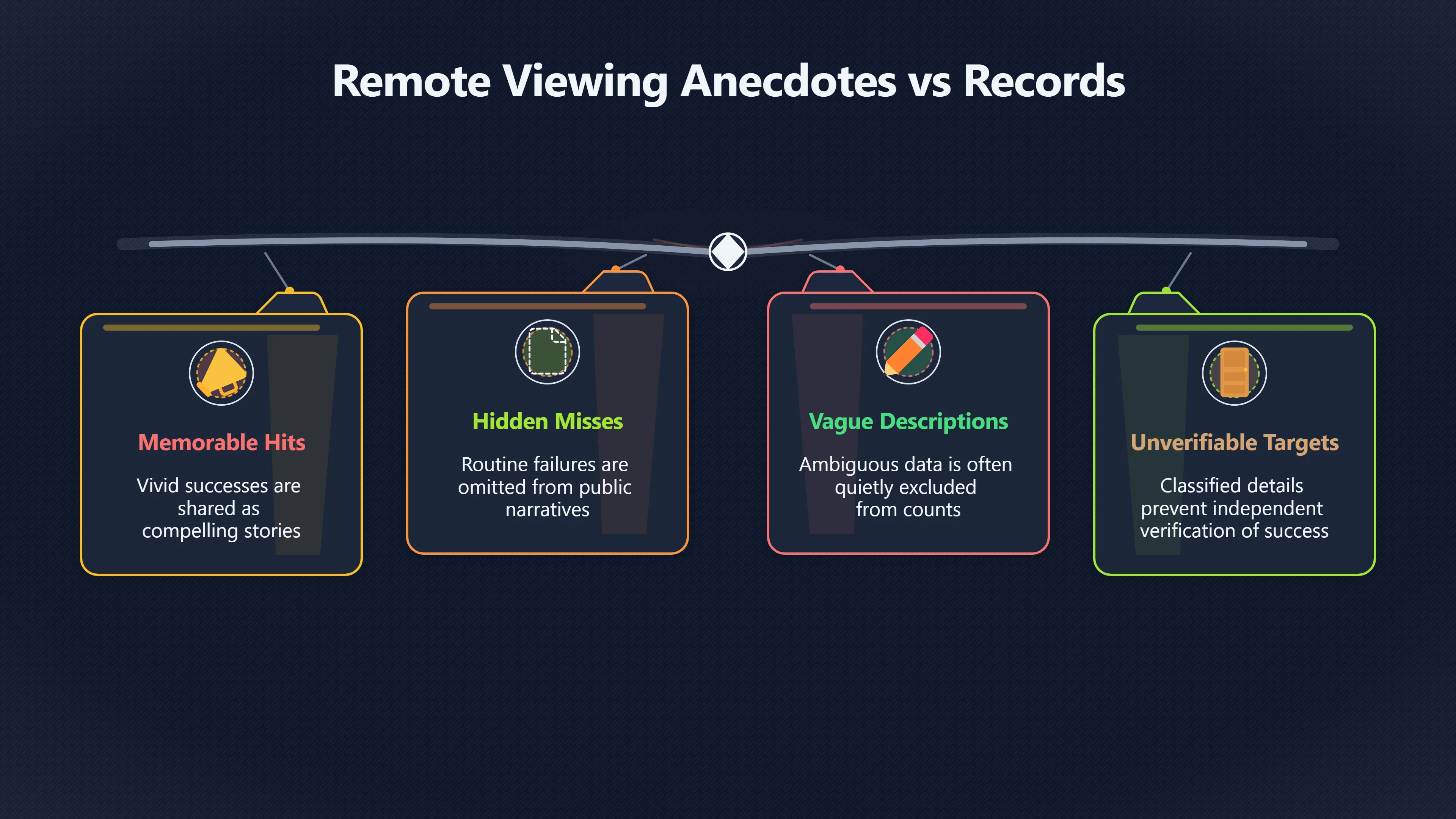
Remote-viewing anecdotes naturally favour memorable outcomes. Stories spread because they are surprising, not because they represent average performance.
Several mechanisms contribute to this imbalance.
Successful sessions are more likely to be remembered. Participants, audiences and authors tend to recall unusual apparent correspondences more vividly than routine failures.
Failed sessions rarely become stories. A transcript containing only vague, contradictory or incorrect impressions usually attracts little attention, despite being essential for evaluating the method.
Ambiguous material often remains uncounted. Some sessions produce descriptions that are too general to judge confidently. If these are quietly excluded instead of being counted as unsuccessful or indeterminate, apparent success rates become inflated.
Unverifiable targets disappear. Intelligence and operational projects sometimes involved targets whose details remained classified or unknown. Sessions that cannot be independently evaluated cannot legitimately strengthen evidence for the method, yet they may still appear in historical narratives.
This pattern resembles what researchers in other fields call selective outcome reporting or the “file drawer problem”, where unsuccessful results receive less attention than positive ones. The effect is not unique to remote viewing, but it has particular importance when evidence is frequently presented through memorable case histories rather than complete datasets.
What complete session files reveal
The contrast between anecdotes and complete records becomes clearer when reviewers examine entire collections of sessions rather than selected examples.
The American Institutes for Research (AIR), commissioned by the CIA to evaluate the Stargate programme in the mid-1990s, examined both laboratory research and operational applications. While acknowledging that some individual cases appeared intriguing, the operational review concluded that the information supplied was generally insufficiently specific, consistent or reliable for intelligence purposes. The review found no documented instance in which remote-viewing reports produced intelligence that could be acted upon independently.[CIA]cia.govAN EVALUATION OF REMOTE VIEWING: RESEARCH…A remote viewer is asked to visualize a place, location, or object being viewed by a "bea…
Importantly, these conclusions were based on reviewing collections of reports rather than focusing on celebrated successes. Looking across complete records changed the assessment because evaluators could see the frequency of vague descriptions, conflicting statements and sessions that failed to identify useful target information.
Supporters of remote viewing often point to experimental studies and later meta-analyses that argue above-chance statistical effects under controlled laboratory conditions. These analyses address a different question from operational storytelling: they attempt to include both successful and unsuccessful trials according to predefined criteria rather than highlighting only memorable examples. Even advocates therefore recognise that judging the entire dataset, not selected anecdotes, is the appropriate evidential standard. Debate continues over how those datasets should be interpreted and whether methodological limitations affect the reported results.[ResearchGate]researchgate.net369604750 Remote Viewing a 1974 2022 systematic review and meta analysisResearchGate(PDF) Remote Viewing: a 1974-2022 systematic review…March 20, 2023 — This is the first meta-analysis of all studies relate…
Why complete records change the interpretation
Seeing every session instead of only the dramatic ones often changes how readers interpret apparent successes.
For example, an impressive sketch may initially seem extraordinary. However, if the surrounding file also contains numerous incorrect structures, misplaced geographical features, incompatible descriptions and failed sessions from the same viewer, the apparent evidential weight of the successful element becomes much smaller.
Complete archives also allow independent reviewers to examine questions that anecdotes cannot answer:
- Were judging rules established before the session?
- Were all sessions preserved?
- Were unsuccessful attempts reported alongside successful ones?
- Could independent assessors identify the target without already knowing the answer?
- Did different viewers succeed consistently across many trials?
These questions shift attention from isolated surprises to repeatable performance. That is the standard normally applied when assessing whether a technique is dependable rather than merely capable of producing occasional striking coincidences.

Hidden misses and the power of anecdotes
The persuasive force of remote-viewing stories often comes less from what they contain than from what they omit. A vivid success feels impressive because readers rarely see the unseen denominator: the failed sessions, ambiguous descriptions, unverifiable reports and ordinary attempts that never become part of the narrative.
Evidence reviews therefore treat complete session files as far more informative than collections of celebrated cases. A single dramatic hit may be genuine, coincidental or the product of flexible interpretation. Only by counting every attempt—not just the memorable ones—can investigators estimate how often remote viewing produced information that was accurate, specific and operationally useful. That is why hidden misses remain one of the central reasons anecdotes can appear far more convincing than the overall evidence supports.
Amazon book picks
Further Reading
Books and field guides related to What Remote-Viewing Stories Leave Out. Use these as the next step if you want deeper reading beyond the article.
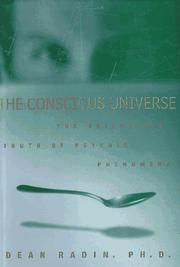

Remote viewing secrets
Provides practitioner anecdotes to compare with systematic evidence.
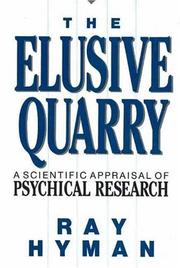
The elusive quarry
First published 1989. Subjects: Book reviews, Controversial literature, Parapsychology, Psychical research.
Parapsychology: A Handbook for the 21st Century
Discusses evidence evaluation and publication bias.
eBay marketplace picks
Marketplace Samples
Live-tested eBay searches with available results related to this page.



Endnotes
1.
Source: cia.gov
Link:https://www.cia.gov/readingroom/document/cia-rdp96-00791r000200180006-4
Source snippet
AN EVALUATION OF REMOTE VIEWING: RESEARCH...A remote viewer is asked to visualize a place, location, or object being viewed by a "bea...
2.
Source: researchgate.net
Title: 369604750 Remote Viewing a 1974 2022 systematic review and [meta analysis]({{ ‘meta-analysis/’ | relative_url }})
Link:https://www.researchgate.net/publication/369604750_Remote_Viewing_a_1974-2022_systematic_review_and_meta-analysis
Source snippet
ResearchGate(PDF) Remote Viewing: a 1974-2022 systematic review...March 20, 2023 — This is the first meta-analysis of all studies relate...
Published: March 20, 2023
3.
Source: Wikipedia
Title: Remote viewing
Link:https://en.wikipedia.org/wiki/Remote_viewing
Source snippet
Remote viewingRemote viewing (RV) is the practice of seeking impressions about a distant or unseen subject, purportedly sensing with t...
Additional References
4.
Source: thenonphysicalfuture.medium.com
Title: remote viewing the subjective experience c5fa6afb6486
Link:https://thenonphysicalfuture.medium.com/remote-viewing-the-subjective-experience-c5fa6afb6486
Source snippet
Viewing: the subjective experienceRemote Viewing: the subjective experience This is the piece I've been wanting to write since starting t...
5.
Source: reddit.com
Link:https://www.reddit.com/r/remoteviewing/comments/1t2z7xa/found_something_interesting_in_the_declassified/
Source snippet
ch did actually largely stop due to operational issues. I...Read more...
6.
Source: pmc.ncbi.nlm.nih.gov
Title: PMCFollow‐up on the U.S
Link:https://pmc.ncbi.nlm.nih.gov/articles/PMC10275521/
Source snippet
Central Intelligence Agency's (CIA...by Á Escolà‐Gascón · 2023 · Cited by 10 — Since 1972, the U.S. Central Intelligence Agency (CIA) co...
7.
Source: scribd.com
Title: Katz Associative Remote Viewing
Link:https://www.scribd.com/document/1005021917/KatzAssociativeRemoteViewing
Source snippet
PDF | Parapsychology17 Nov 1986 — This book explores [Associative Remote Viewing (ARV)]({{ 'associative-remote-viewing-arv/' | relative_url }}) as a method for p...
8.
Source: ciaotest.cc.columbia.edu
Title: sa jan02srm01
Link:https://ciaotest.cc.columbia.edu/olj/sa/sa_jan02srm01.html
Source snippet
Remote Viewing: The US Sponsored Psychic...This paper deals with experiments conducted in USA in which certain individuals were trained...
9.
Source: youtube.com
Title: Survivorship Bias 🤔 (explained)
Link:http://www.youtube.com/watch?v=2b0CJYbwN_o
Source snippet
You are missing something! - Survivorship bias...
10.
Source: youtube.com
Title: You are missing something!
Link:http://www.youtube.com/watch?v=ZyLVIvBidIA
Source snippet
Survivorship bias or Survival bias...
11.
Source: youtube.com
Title: Survivorship Bias
Link:http://www.youtube.com/watch?v=szsTFYIAvKk
Source snippet
in research [statistics]({{ 'statistics/' | relative_url }}) Survivorship Bias 🤔 (explained) Zack D. Films...
12.
Source: Wikipedia
Title: Stargate Project (U.S. Army unit)
Link:https://en.wikipedia.org/wiki/Stargate_Project_%28U.S._Army_unit%29
13.
Source: youtube.com
Title: Survivorship bias or Survival bias
Link:http://www.youtube.com/watch?v=pHnEpdNiSdI
Source snippet
Survivorship Bias...
Topic Tree